

Some golfers swap their driver every time a new model hits the shelves. Others are still playing the irons they bought when flip phones were cool. Neither approach is quite right.
The honest answer? It depends on the club. Some parts wear out within a year. Others can outlast the golfer’s knees.
| Part of the bag | What wears out | Rough guide |
| Grips | Rubber hardens and turns slick | Once a year or every 40 rounds |
| Wedges | Grooves lose their bite | Check after about 75 rounds |
| Irons | Grooves, plus loft and lie drift | Check specs yearly; replace when performance drops |
| Driver and woods | Rarely wear out; usually outgrown | Replace when they no longer suit the swing |
| Putter | Very little | Can last decades |
Grips Go First
Grips are the only part of the club a golfer actually touches, and they break down faster than most people realise. Golf Pride, the world’s biggest grip maker, recommends regripping once a year or every 40 rounds, whichever comes first.
It isn’t only play that wears them. Heat, dirt and the natural oils from hands all break down the rubber, and it happens slowly enough that most golfers never notice. In a hot, humid climate like much of Queensland’s, that process speeds up.
Why does it matter? A slippery grip makes players squeeze harder without realising. Tighter hands mean tense forearms and a less fluid swing. A fresh set of grips costs far less than new clubs and often feels like one.
Wedges Wear Faster Than Anything Else
Wedges work hard. They’re used for full shots, chips, pitches and bunker shots, and every strike against ball, sand and turf wears the grooves down a little.
Titleist’s Vokey wedge team tested this with a robot. Their research found spin and control drop off noticeably once grooves reach wear roughly equal to 75 rounds. In one full-shot test, a fresh wedge produced about 8,500 rpm of spin, compared with 7,770 rpm for a wedge with 75 rounds of wear. The new grooves also stopped the ball about 3.7 metres (12 feet) closer than a wedge with 125 rounds on it.
So a golfer playing weekly could reasonably need fresh wedges every couple of years. Tour players change theirs far more often. Jordan Spieth has said he swaps his 60-degree wedge every few tournaments.
Irons Fade Quietly
Irons don’t tend to fail dramatically. They drift.
The grooves wear, just more slowly than on wedges because irons hit fewer shots out of sand and rough around the green. The bigger issue is often loft and lie. Forged irons in particular are made from softer steel, and repeated strikes, especially off hard practice mats, can gradually bend them out of their original specifications. A 7-iron that has quietly gained a degree of loft starts flying like a weak 8-iron. Nobody notices. They just wonder why the ball keeps finishing short.
A yearly loft and lie check is cheap insurance, and most repairers can bend forged irons back into line. Cast irons are harder to adjust, but they also hold their settings better.
Drivers Rarely Wear Out
Here’s a firm opinion: very few golfers ever wear out a driver. They outgrow it, or they get talked into a new one.
Modern titanium heads are tough. Cracked faces do happen, but they’re rare, and a rattle or a visible crack makes it obvious. The more common reason to replace a driver is that it no longer suits the person swinging it. Swing speed changes. Shot shape changes. A shaft that worked five years ago might now be too stiff or too heavy.
That’s also why the latest model isn’t automatically an upgrade. A new driver with the wrong shaft can easily perform worse than an old one that fits.
Fairway woods and hybrids follow the same logic. Check the shaft for damage around the hosel, keep head covers on to avoid chips and bag chatter, and they’ll last a long time.
Putters Can Last a Lifetime
Putters barely wear at all. Plenty of golfers have used the same putter for decades, and some refuse to retire one that’s served them well, no matter how scuffed it gets. Fair enough.
The main reasons to change are feel, alignment and fit. A putter that’s too long or too short makes it hard to set up consistently over the ball. That’s a fit problem, not a wear problem.
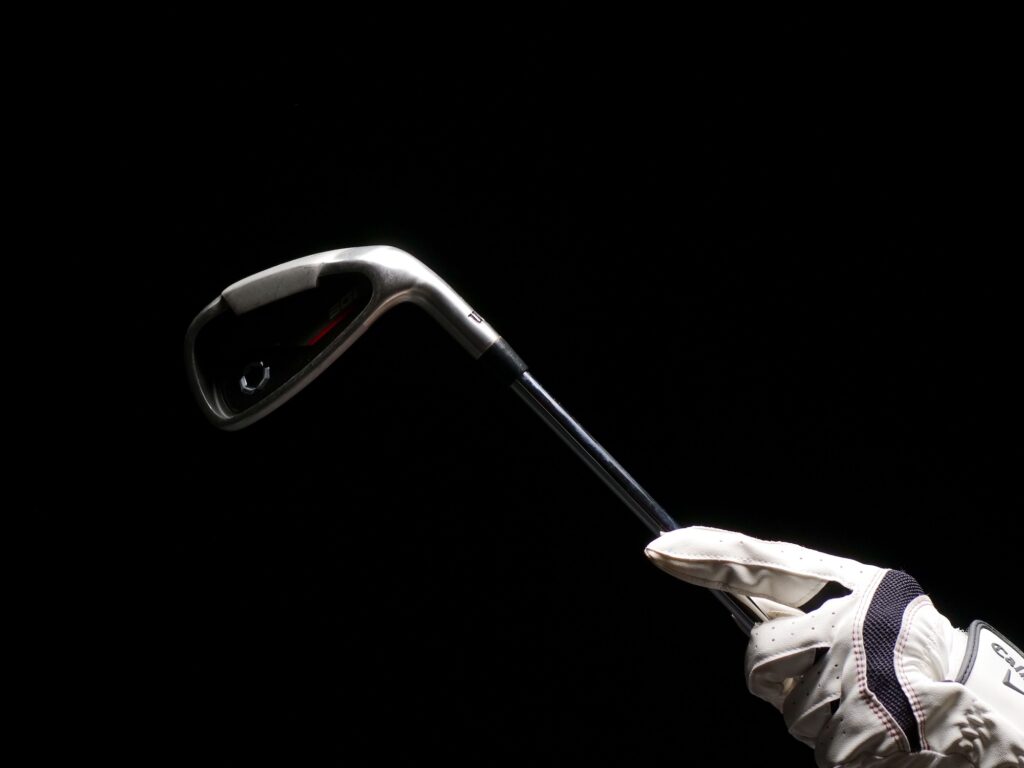
When the Golfer Changes, the Clubs Should Too
This is the part most guides skip. Clubs can be in perfect condition and still be wrong.
Bodies change. Swing speed usually drops with age. An injury, a new fitness routine or a few lessons can change how a player delivers the club. Someone who took up golf as a fit, flexible sports enthusiast in their thirties may swing very differently at 55, and the stiff shafts that once suited them can start working against them.
If scores are creeping up for no obvious reason, the clubs might simply no longer match the swing. A visit to a golf club fitting studio can test current clubs against new options on a launch monitor. Sometimes the answer is a full new set. Often it’s something smaller, like a softer shaft, a loft tweak or new grips.
Quick Checks to Do at Home
No special tools needed. Just a few minutes and an honest eye.
Grips. Shiny, hard or cracked? Visible thumb marks worn into them? Time for new ones.
Wedge grooves. Run a fingernail across the face. Fresh grooves have sharp edges that catch. Worn ones feel smooth and rounded.
Shafts. Look for dents, rust spots on steel or splintering on graphite near the hosel. Any damage there is a safety issue, not just a performance one.
Heads. Listen for rattles in drivers and woods, and check faces for cracks or deep dents.
Distances. If each iron no longer carries a steady, even gap from the next, something has changed. It might be the club. It might be the swing. Either way, it’s worth finding out.